If you live in or around Balongi, Mohali, you’ve probably made peace with the idea that tap water isn’t safe to drink. Most households have an RO purifier on the kitchen counter. It feels like the problem is solved.
It isn’t.
A Times of India investigation into water quality across parts of Mohali found that even RO-filtered water in some areas isn’t meeting safety standards. That should alarm every resident who assumed their purifier was the final answer.
What’s Really Coming Out of Your Tap
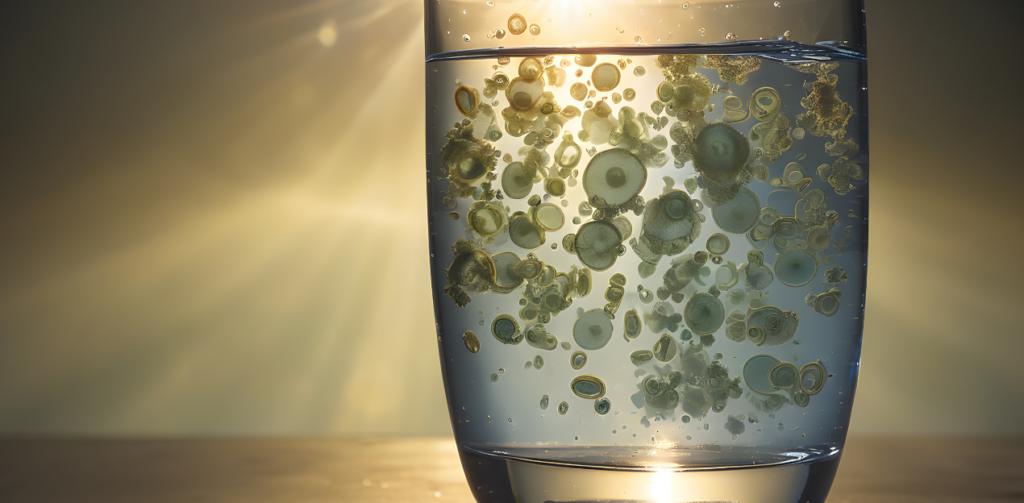
The issue in areas like Balongi isn’t just dirt or odour. It’s contamination that runs deeper, often bacterial, sometimes chemical, and it can survive the filtration process under certain conditions.
A district-wide survey of Mohali schools tested water from multiple sources. Here’s what they found:
- 243 water samples were declared non-potable
- 26 of those came from RO taps
- Even packaged water failed in some cases
So the filtered water was failing too. Not just the tap.
The reason? Even treated municipal water picks up contamination on the way to your home through corroded pipelines, ageing joints, and pressure drops that allow soil-borne contaminants to sneak in. By the time water reaches your RO unit, the damage may already be done.
RO Water Isn’t Always the Safety Net You Think It Is
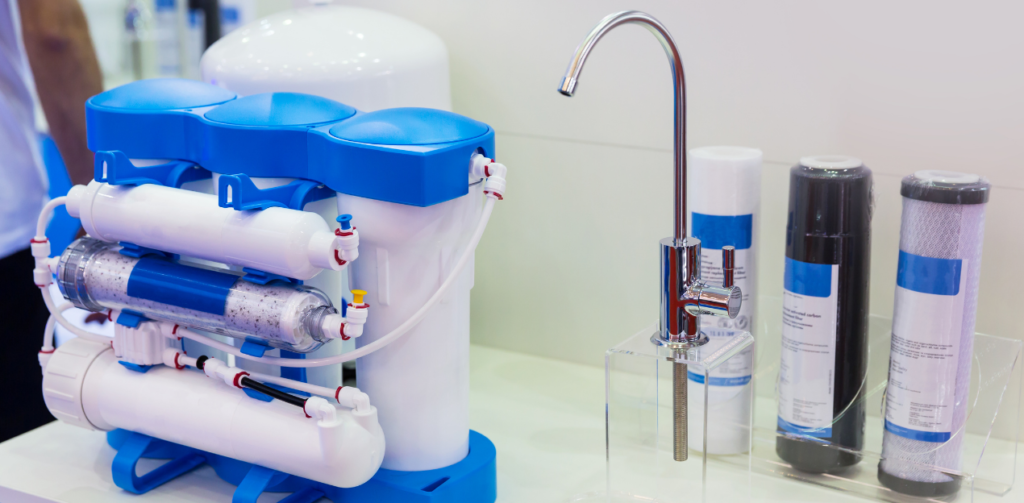
RO purifiers are marketed as the gold standard of home water filtration. They remove dissolved solids, heavy metals, and many pathogens. But they are not infallible.
A few things most people don’t realise:
- A low TDS reading does not mean the water is safe
- Water can test clean on a TDS meter and still carry bacteria or viruses
- A clogged pre-filter or an overdue membrane quietly reduces your purifier’s effectiveness
In high-contamination areas like parts of Mohali, the membrane wears out faster than usual. Yet most households stick to an annual replacement schedule, or skip it altogether.
This Isn’t Just a Balongi Problem
Balongi’s water problem isn’t unique. It’s a local face of a national crisis.
Between January 2025 and early 2026, at least 5,500 people fell ill across 26 Indian cities after consuming sewage-contaminated piped water. The cause was almost always the same: ageing pipelines running too close to sewer lines.
Balongi, a rapidly expanding suburb caught between old infrastructure and new housing demand, fits that profile exactly. The pipe reaches your home. The safety doesn’t always follow.
What You Can Do Right Now
Test your water, don’t assume: Don’t rely on how it looks, smells, or tastes. Government labs under the Jal Jeevan Mission offer free or subsidised water quality testing at the district level.
Service your RO every 6 months: Annual servicing isn’t enough in contamination-heavy areas. If your water source is poor, your filter is working twice as hard.
Add a UV stage:
- RO removes dissolved solids and chemicals
- UV kills bacteria and viruses
- Together, they cover what neither can alone
If your current purifier is RO-only, it’s worth upgrading.
Report it: If multiple households in your lane are noticing the same issues, document it and raise a complaint with GMADA or your local municipal body. It’s not a coincidence, and it’s not yours to silently manage.
The hard truth is this: an RO purifier was never meant to compensate for a broken distribution system. It reduces risk. It doesn’t fix infrastructure.
Until the supply chain is cleaner, residents need to be more vigilant, not less, about what they’re actually drinking. Clean living doesn’t stop at water. And while the civic system catches up, keeping your own space clean matters more than ever. If you’re looking for professional cleaning services in Mohali, Clean India Project covers homes and offices across the area.
Frequently Asked Questions
Is tap water in Balongi, Mohali safe to drink?
No. Contamination from ageing pipelines and sewage mixing is a documented issue across parts of Mohali. Balongi, as a rapidly developing suburb, is particularly vulnerable.
If I have an RO purifier, is my water safe?
Not necessarily. A worn membrane or clogged pre-filter can quietly reduce your purifier’s effectiveness. In high-contamination areas, filters wear out faster than the standard annual cycle accounts for.
What does a low TDS reading actually mean?
TDS measures dissolved solids, not bacteria or viruses. Low TDS water can still be microbiologically unsafe. A TDS meter is not a substitute for a proper lab test.
How often should I service my RO in Mohali?
Every 6 months is a safer bet in areas with poor source water quality. If you notice a drop in flow rate or a change in taste, get it checked sooner.
Where can I get my water tested in Mohali?
The Jal Jeevan Mission runs district-level testing labs that offer free or subsidised testing against BIS drinking water standards. You can submit a water sample and receive a full report.
What is the difference between RO and UV purification?
RO removes dissolved solids, chemicals, and heavy metals. UV kills bacteria and viruses but doesn’t remove dissolved solids. For areas with both chemical and biological contamination, a purifier with both stages is the safer choice.