Let’s play a quick game.
Guess which year Delhi first promised to shut down the Ghazipur landfill.
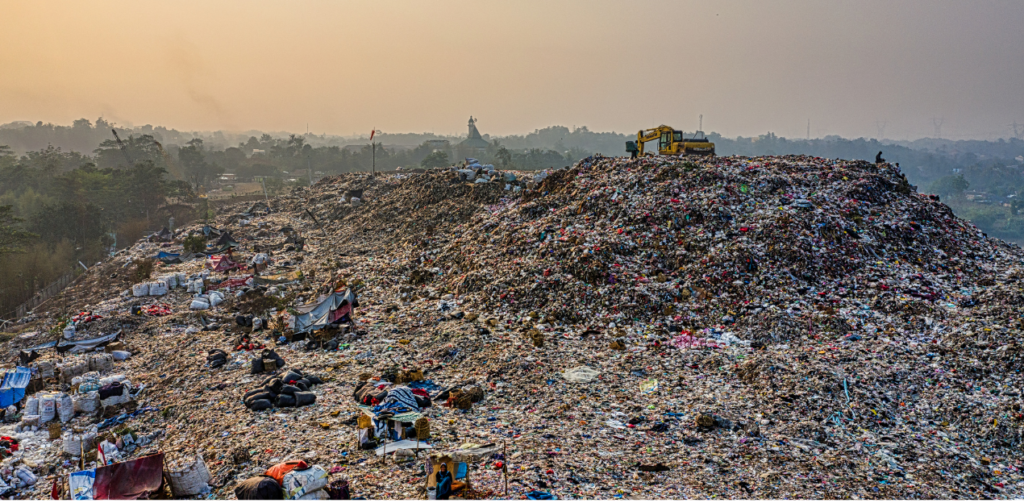
2020? 2018? Try 2002. The landfill hit capacity over two decades ago. It was supposed to close. Instead, it kept growing. Today it stands taller than the Qutub Minar.
So when Chief Minister Rekha Gupta called 2026 a “non-negotiable deadline” to end fresh dumping at Delhi’s three landfills, you could forgive residents for raising an eyebrow. Or two.
This isn’t a story about garbage. It’s a story about a city that keeps announcing solutions to a problem it has never truly decided to solve.
The Deadline That Gets Recycled Every Few Years
- 2002: Ghazipur declared full. Promised to close.
- 2023: AAP announces all three landfills cleared by 2024. They weren’t.
- 2024: MCD quietly pushes Ghazipur’s deadline to 2026.
- 2025: New government, new deadline. 2026 is now “non-negotiable.”
- 2026: We’re here. The mountains are still standing.
The deadline doesn’t disappear. It just gets a new year stamped on it. Which, ironically, is more recycling than what happens to most of Delhi’s actual waste.
The 13,000 Tonne Problem Nobody Talks About Honestly
Delhi generates around 13,000 metric tonnes of solid waste every single day. Roughly the weight of 2,000 adult elephants. Daily.
About 63 per cent gets processed. The rest goes to the landfills.
Here’s what rarely makes it into government press releases: biomining crews are clearing old legacy waste from the bottom of these sites. But fresh waste keeps arriving at the top. Every single day.
It’s like mopping the floor while someone has left the tap running. Until Delhi tackles what goes into the landfills, no deadline for clearing them will hold.
The Real Culprits Nobody Wants to Name
Everyone points at the government. Fair enough. But there are quieter accomplices.
Waste segregation that exists only on paper: Does your household actually separate wet from dry? Across Delhi, the honest answer is mostly no. Everything ends up in the same truck, headed to the same mountain.
Agencies that don’t talk to each other: MCD, Delhi government, central bodies, private contractors. Each has a role. Projects stall in the gaps between departments, and the landfills absorb the consequences.
Court orders without enforcement: The NGT ordered landfill clearance in 2019 with a one-year deadline. That was six years ago. Orders without enforcement are just strongly worded suggestions.
What’s Actually Working
To be fair, this isn’t all gloom.
Biomining capacity has jumped from 15,000 to 25,000 tonnes per day. Waste-to-Energy tenders have been floated. Down to Earth’s ground report captures it well: machines are moving, numbers are improving, but the clock is ticking louder than the bulldozers.
Progress exists. The question is whether it survives the next election cycle.
The People Paying the Real Price
While the debate stays in conference rooms, residents near these sites are living the consequences.
Summers with windows shut. Children growing up breathing air thick with methane and particulate matter. Groundwater found unfit in multiple studies. Fires every summer that send toxic smoke drifting across entire districts.
These are not statistics. These are people waiting for a deadline that keeps getting postponed.
What Would Actually Fix This
Not more deadlines. Here’s what a real solution looks like:
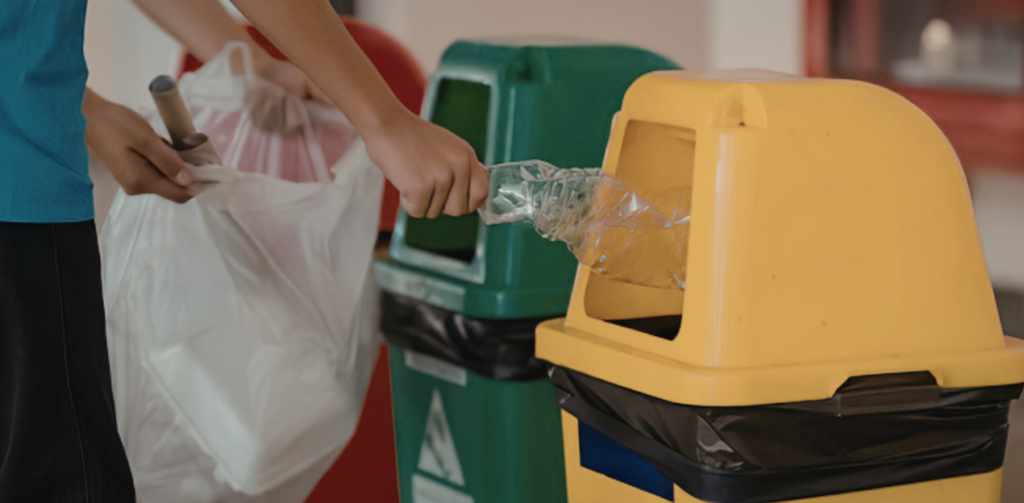
- Enforce waste segregation with actual penalties, not awareness campaigns
- Track daily diversion rates publicly, not just deadline progress
- Get Waste-to-Energy plants operational, not just in tender stage
- Formalise waste pickers who already recycle a significant share of Delhi’s waste
The 2026 deadline was never really about 2026. It was about signalling seriousness to a city that has stopped believing its own government on this issue.
Whether Delhi proves that scepticism wrong is a question of political will, not machinery or money. Both already exist.
History says the will usually fades. But history has also been wrong before.
And while the city figures that out, the least we can do is take care of the space we actually control. If you’re in Gurgaon and want a home or office that’s genuinely clean, Clean India Project is here to help.
Frequently Asked Questions
Has Delhi ever actually met a landfill deadline?
No. Every major deadline for Ghazipur, Bhalswa, and Okhla has been extended, some multiple times across different governments.
Why can’t Delhi just open new landfills?
Finding land in a dense city like Delhi is politically and practically difficult. The current approach focuses on biomining legacy waste and reducing fresh dumping through Waste-to-Energy plants.
Do I contribute to the landfill problem?
If you live in Delhi and don’t segregate your waste at home, yes. Unsegregated waste cannot be efficiently processed and ends up in landfills.
Is 2026 still realistic?
For stopping all fresh dumping, most experts say it is extremely ambitious. Legacy waste clearance targets already stretch to 2027 and beyond.