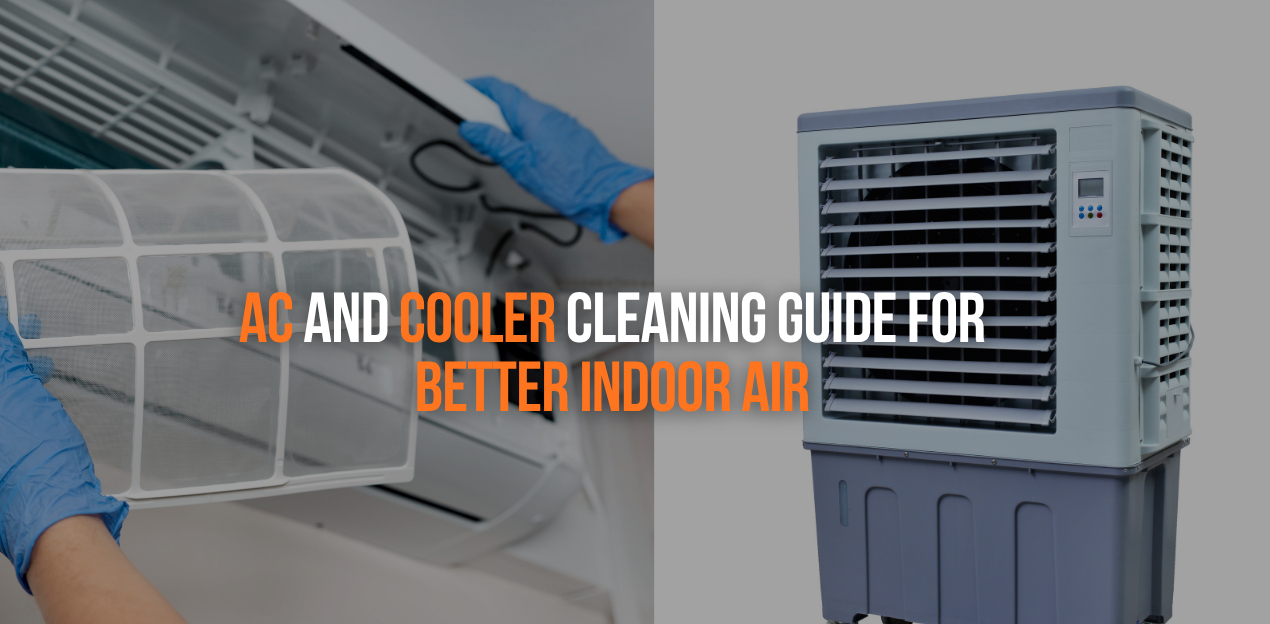
Summer in India brings rising temperatures and rising dust. The moment your AC or cooler switches on after months of sitting idle, it pulls everything settled inside straight into the room, dust, pollen, mould, and bacteria included.
A pre-summer clean-up and a simple seasonal routine make a bigger difference than most people expect.
Why It Matters for Air Quality
Indian cities already rank among the world’s most polluted. IQAir’s 2025 report places India sixth globally for PM2.5 pollution. A dirty appliance pushes trapped particles right back into your breathing space.
Regular cleaning:
- Removes dust and allergens that trigger coughs and skin irritation
- Cuts electricity usage by up to 30% through better airflow
- Prevents mould and bacteria, especially in cooler water tanks
- Extends the appliance’s life and delays repairs
What You’ll Need
- Bucket of water and a mug
- Mild detergent or shampoo
- White vinegar (for coolers)
- Soft brush or old toothbrush
- Microfibre cloth
- Gloves and a dust mask
How to Clean Your AC at Home
- Switch off and unplug first: For split ACs, cut power at the MCB.
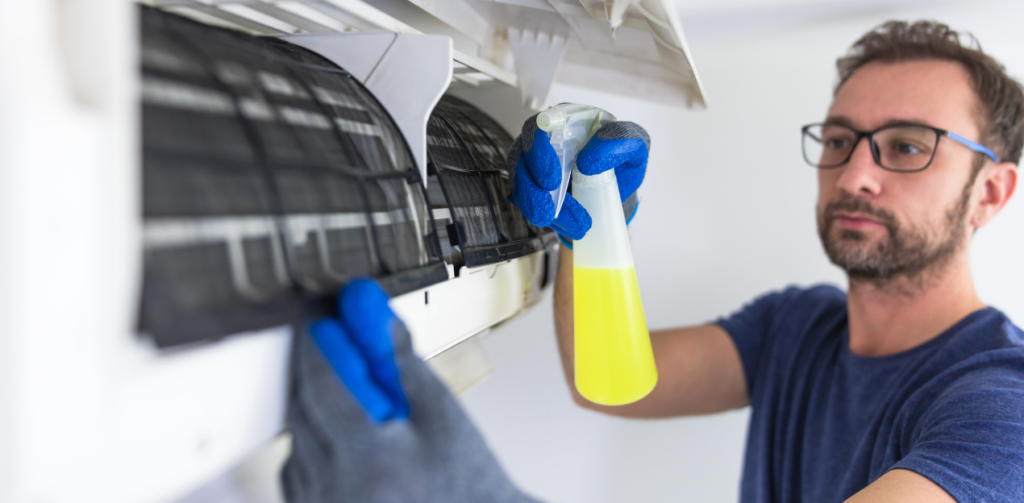
- Clean the filter: Lift the front panel, slide the filter out, wash under running water with mild soap, and let it air dry completely. Do this every 15 days in peak summer.
- Wipe the cooling coils: Use a soft brush dipped in soapy water, moving along the fins. Don’t spray water directly on electrical parts.
- Check the drain pipe: Flush with mild pressure. A blocked pipe causes leaks and mould.
- Don’t skip the outdoor unit: Clear leaves and dust from the condenser fins with a brush and a gentle rinse. Avoid high-pressure water, it bends the fins.
- Reassemble only once everything is dry: Run in fan mode for 30 minutes before switching to cooling.
How to Clean Your Air Cooler at Home
Coolers get dirtier faster because they sit with standing water.
Unplug and drain the tank completely.
Scrub the water tank with a sponge and mild detergent. For slime or mineral deposits, use a 50:50 vinegar and water mix, let it sit 15 minutes, then rinse.
Wash the cooling pads in soapy water for 10 minutes, scrub gently, and rinse. Replace them if they’re cracked, sagging, or still smell after washing.
Wipe the fan blades and interior with a damp cloth.
Clean the exterior with a microfibre cloth.
Air dry everything fully before reassembling. Wet pads grow mould within days.
How Often Should You Clean?
- Pre-summer deep clean: once, before the season starts
- AC filters: every 15 days during heavy use
- Cooler water: refresh daily, deep clean every 10 to 15 days
- Cooler pads: wash every 15 days, replace each season if needed
- Professional AC service: once a year
In dusty cities like Gurgaon, Delhi, and Mohali, shorter intervals work better.
Common Mistakes to Avoid
- Using high-pressure water on coils or pads
- Cleaning without unplugging
- Reassembling while parts are still wet
- Using bleach or harsh chemicals on plastic parts
- Ignoring the outdoor unit of a split AC
- Leaving water in the cooler tank overnight
When to Call a Professional
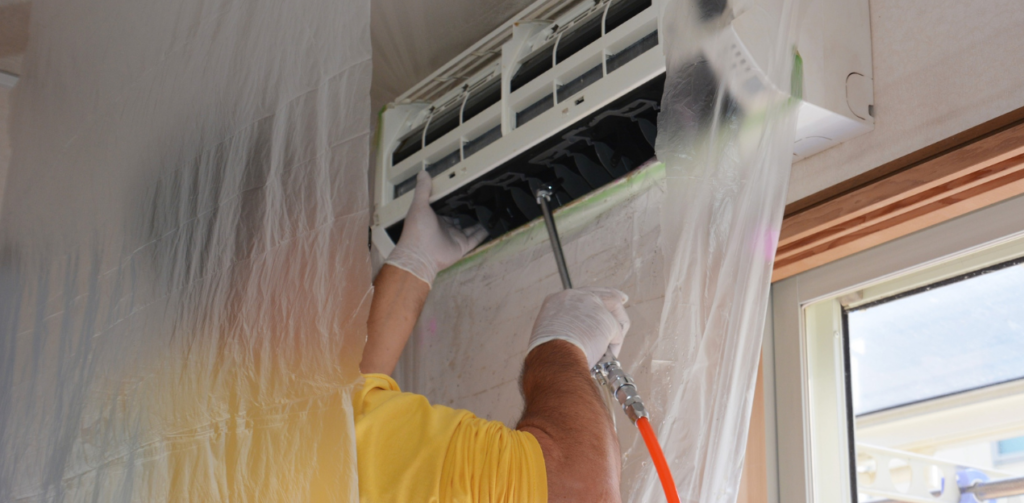
Some issues need expert attention: weak cooling even after cleaning, water leaks, unusual noises, visible mould in the blower, or annual deep servicing with chemical wash and gas check. For homes in Gurgaon and Mohali, our team at Clean India Project handles professional deep cleaning that reaches internal components home cleaning can’t, so your summer starts with genuinely fresher indoor air.
Frequently Asked Questions
How often should I clean my AC filter during summer?
Every 15 days. In areas with heavy dust or construction nearby, clean every 10 days.
Can I clean my AC completely at home?
You can handle the filter, front panel, and accessible coils. Deep internal cleaning, chemical washes, and gas checks should be left to professionals.
Is vinegar safe for cleaning my air cooler?
Yes. A 50:50 vinegar and water mix dissolves mineral deposits and kills bacteria without harming parts. Rinse thoroughly after.
How does cleaning my AC improve indoor air quality?
A dirty filter pushes dust, pollen, and mould spores back into the room. Cleaning removes these at the source, cutting allergens and respiratory irritation.
What’s the best time for a pre-summer deep clean?
Late February to mid-March. You’ll beat the heatwave and find faster technician availability before demand peaks.
Should I cover my cooler when not in use?
Yes. A cover keeps dust and insects out of the tank and pads during off-season storage.