You step outside for a morning walk and your eyes start watering. You are in Bangalore, not Delhi.
That used to sound absurd. It does not anymore.
Bangalore’s AQI in 2026 Is the Worst It Has Ever Been
Bangalore’s average AQI in 2026 stands at 135, a 63% jump compared to previous years. In 2024 it was 73. In 2023 it was 78.
Not a single day in 2026 so far has met WHO’s safe air quality limits.
Right now, breathing Bangalore’s air is equivalent to smoking nearly two cigarettes a day. The city currently ranks 27th among the most polluted cities globally.
Is it worse than Delhi overall? Not yet. But Bangalore is closing that gap faster than anyone expected, and the trend is heading in the wrong direction.
What Bangalore Residents Are Actually Experiencing
Persistent dry cough. Eyes that itch by afternoon. Kids waking up with congestion that parents keep writing off as a seasonal cold.
It is not a cold. It is the air.
Spring conditions between March and May are making things worse. Construction dust, stagnant hot air, and little wind are trapping particulate matter close to the ground.
Areas near active projects like Whitefield, Hebbal, and Sarjapur Road are the worst hit. And that dust does not stay outside.
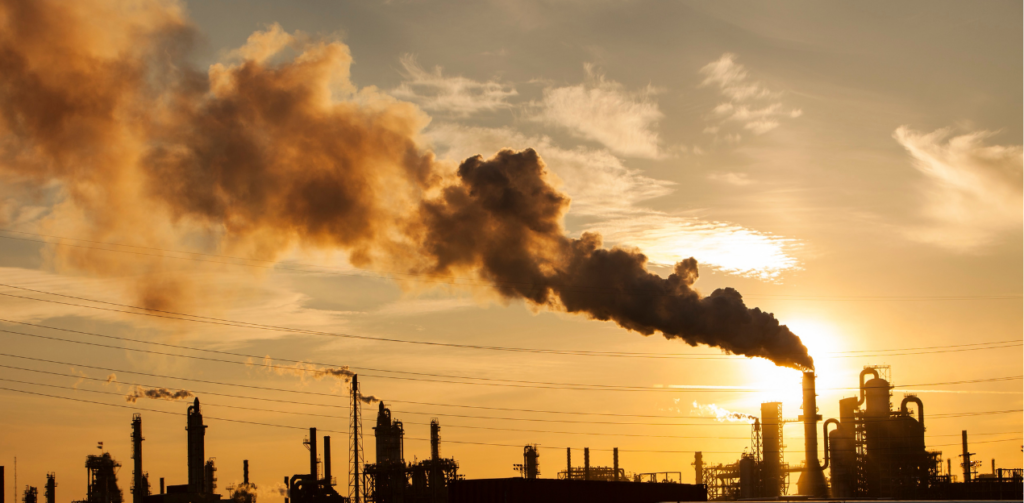
Why Bangalore Air Pollution Is Getting Worse Every Year
Vehicles that never stop moving: Bangalore’s rapid growth has created massive traffic gridlock that flyovers and one-way systems have failed to fix, pushing vehicle emissions higher every year.
Construction dust on every street: As housing demand pushes the city beyond its old boundaries, non-stop construction generates resuspended dust that lingers in the air for hours.
Not enough monitoring stations: Bangalore has only 10 official air quality monitoring stations for over 11 million people. Experts say the official data does not reflect what residents are actually breathing.
According to the WHO’s air quality guidelines, safe annual PM2.5 exposure is 5 µg/m³. Bangalore exceeds this by several times, regularly.
How Outdoor Air Pollution Gets Inside Your Home
Most people think shutting the windows solves it. It helps, but only partially.
Fine PM2.5 particles slip through gaps, vents, and AC units. They settle on floors, curtains, sofas, and kitchen counters. You cannot see them building up, but they do.
Kitchens take a particular hit. Grease, smoke residue, and fine dust combine on cabinet surfaces in ways that regular wiping cannot fix. If you have noticed a sticky film forming faster than usual, pollution is likely a factor.
This guide on how to clean smoke stains from kitchen cabinets walks you through what actually works.
Maintenance tip: During October to February and through dry summer months, deep clean your home at least twice a month. AC filters, curtains, and floor corners collect the most particulate matter.
How to Protect Yourself and Your Family From Bangalore’s Pollution
- Check AQI before outdoor workouts on IQAir or AQI India
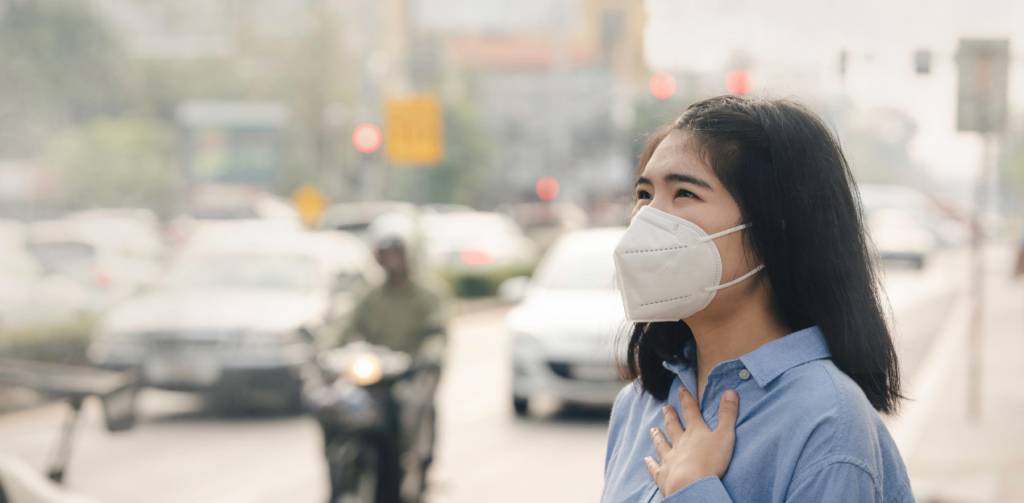
- Wear an N95 mask during peak traffic hours, 7 to 10 AM and 6 to 9 PM
- Run an air purifier in bedrooms, especially for children
- Set your AC or HVAC to recirculate mode on high-pollution days
- Deep clean your home regularly to remove settled particles indoors
Most people underestimate how much invisible buildup happens indoors. These cleaning tips that actually work in Indian homes are a solid starting point for building a routine that keeps up with it.
You cannot fix the air outside. But you can control what settles inside your home. If you live near a busy road or a construction zone, a Deep Cleaning from Clean India Project is worth doing at least once a month right now.
Frequently Asked Questions
Is Bangalore’s Air Quality Really Worse Than Delhi’s?
Not across the board. Delhi still records higher overall PM2.5 and PM10 levels. But Bangalore’s AQI has jumped 63% since 2024, and the city now ranks among the top 30 most polluted globally. The gap is shrinking fast.
Which Areas in Bangalore Have the Worst Air Pollution?
Zones near active construction and high-traffic corridors are most affected. Whitefield, Hebbal, Silk Board, and KR Puram consistently record worse AQI readings than the city average.
Why Is Bangalore’s Air Bad Even During Summer?
Hot, dry, still air traps pollutants near ground level. Construction dust spikes in summer too, since dry conditions make resuspension worse. Spring and early summer are among the harder months for Bangalore’s air quality.
Does Outdoor Pollution Affect the Air Inside Your Home?
Yes. PM2.5 particles are fine enough to enter through vents, gaps, and AC units. On poor AQI days, indoor air can be nearly as polluted as outside without proper filtration and regular cleaning.
How Often Should Bangalore Residents Deep Clean Their Homes?
At least twice a month from October to February and during dry summer months. Not sure what a proper deep clean covers?Here is a breakdown of when your home actually needs deep clean and why it matters. Focus on AC filters, curtains, upholstery, and floor corners.
Do Indoor Plants Improve Air Quality?
They help marginally. But on high-pollution days, HEPA air purifiers and regular surface cleaning make a far bigger difference than plants alone.